
 (949) 421-3030
Hurricane Damage and Your Florida Condo Association: Know Your Rights
After a hurricane, Florida condo owners often face a second storm: the governance crisis inside the condominium association. Disputes over insurance, special assessments, reconstruction delays, and records access can determine whether owners absorb thousands in costs they never agreed to.
When the Storm Passes, the Real Fight Often Begins
The hurricane makes landfall at midnight. By morning, the wind has stripped balcony railings from the building's upper floors, rainwater has breached the envelope of dozens of units, and the parking structure is flooded to the wheel wells. Then, as Florida condo owners begin the grim work of assessing what they have lost, a second storm often arrives quietly and without warning: the governance crisis inside the condominium association itself.
This is the moment when the legal relationship between owners and their associations gets tested in ways few people anticipated when they purchased their unit. The hurricane exposes everything the governing documents left ambiguous, everything the reserve fund left underfunded, and everything the board failed to document. What follows in the weeks and months after the storm is not simply a construction project. It is a legal and financial reckoning.
Understanding what the law requires of your association, and where associations sometimes fall short, can become critical for homeowners trying to navigate the aftermath of a major storm.
Why Hurricane Disputes Are Different From Other HOA Conflicts
Most HOA disputes involve relatively contained issues: a rule enforcement dispute, a fine, or a procedural defect in an assessment notice. Hurricane disputes operate at a completely different scale.
A single storm can simultaneously damage hundreds of units, overwhelm the association's administrative capacity, exhaust insurance coverage, and force rapid decisions that affect every owner in the building.
The financial stakes alone distinguish hurricane disputes from ordinary governance disagreements. Florida condominiums are generally required to carry master insurance policies covering the condominium property under Fla. Stat. §718.111(11). However, these policies often contain windstorm deductibles calculated as a percentage of the building's insured value rather than a fixed dollar amount.
On a large condominium building, even a two-percent deductible can translate into millions of dollars of uninsured loss. Associations frequently seek to recover those amounts from owners through special assessments.
For many owners, this financial burden arrives while they are already paying for temporary housing, repairing personal property, and navigating their own insurance claims.
Beyond the financial impact, reconstruction delays can significantly affect habitability. When an association mismanages insurance claims, delays contractor engagement, or disputes repair responsibilities assigned to it under the declaration, owners may remain displaced far longer than necessary.
What Florida Law Actually Requires
Florida's Condominium Act, codified in Chapter 718 of the Florida Statutes, establishes the baseline legal framework governing how condominium associations must respond to casualty events.
Under Fla. Stat. §718.113(1), condominium associations generally have responsibility for maintaining and repairing common elements, subject to any different allocation set forth in the declaration that requires more of the association. After a hurricane or similar casualty event, this obligation may include repairing structural components and other portions of the condominium property that fall within the association's maintenance responsibilities.
Insurance obligations are governed primarily by Fla. Stat. §718.111(11), which requires associations to maintain certain property insurance covering the condominium property as originally constructed, as defined by statute and interpreted by the governing documents. These policies are often the primary funding source for post-hurricane reconstruction.
The statute also grants owners the right to inspect association records, including insurance policies, adjuster reports, and reconstruction contracts. These rights arise under Fla. Stat. §718.111(12) and can be particularly important after major casualty events when financial decisions affecting all owners are being made rapidly.
Florida law also grants condominium associations certain emergency powers during declared states of emergency. Under Fla. Stat. §718.1265, boards may take expedited actions necessary to protect property and residents, including contracting for debris removal, conducting emergency repairs, and accessing units for mitigation work.
These emergency powers serve an important function in the immediate aftermath of a storm, but they are generally intended to address immediate safety needs rather than to permanently suspend ordinary governance procedures.
Where the Governing Documents Create Hidden Battlegrounds
Although the Condominium Act establishes the statutory framework, the declaration of condominium often determines the specific allocation of responsibilities after hurricane damage.
One of the most important sections of the declaration to review after a casualty event is typically the "Casualty and Reconstruction" provision. This section often governs how reconstruction decisions are made, how insurance proceeds are applied, and how any remaining costs are allocated among unit owners.
Florida law frequently provides statutory default rules where a declaration is silent, but many declarations modify those defaults in ways that significantly affect financial responsibility.
The classification of building components is another frequent source of disputes. Whether a damaged element is part of the unit, a limited common element, or a common element determines who bears responsibility for maintenance, insurance, and repair.
Windows, sliding glass doors, balcony assemblies, HVAC equipment, and exterior doors are among the components most frequently contested after hurricanes.
When water intrusion occurs across multiple units, disagreements about these classifications can quickly translate into disputes involving thousands of dollars per unit.
The Patterns That Seed Litigation
Florida condominium attorneys often observe recurring patterns of association conduct that can transform manageable post-storm reconstruction issues into litigation.
One early warning sign can be ambiguous or shifting communications from the association about insurance coverage and repair responsibility. Boards that make broad statements about what insurance may cover, without grounding those statements in policy language or governing documents, may create confusion and potential reliance problems for owners.
Another recurring issue involves inadequate documentation of storm damage. The quality of the association's initial inspections, moisture mapping, and photographic documentation can significantly affect insurance recovery and later cost allocation decisions.
Associations that fail to engage qualified engineers, building consultants, or other licensed professionals early in the process may weaken both their insurance claims and their reconstruction planning.
Contractor selection is another area where disputes often arise. Large reconstruction contracts awarded without meaningful vetting, inadequate contract provisions, or insufficient oversight of contractor performance may expose associations to both financial losses and owner challenges.
Finally, disputes frequently arise over access to association records. Owners have statutory rights under Fla. Stat. §718.111(12) to inspect documents including insurance policies, claim submissions, contractor agreements, and board meeting minutes related to reconstruction decisions. Delays or refusals in providing those records can create additional legal exposure.
How Courts Evaluate What Happened
When hurricane-related disputes reach Florida courts, judges generally begin by examining the statutory framework and the condominium's governing documents.
Courts often look first to the declaration to determine how components are classified and how casualty costs should be allocated. Where the declaration language is clear, courts generally enforce it. Where it is ambiguous, courts may consider the structure of the condominium documents and the reasonable expectations of the parties.
On questions of board conduct, Florida courts frequently apply a business judgment standard, giving deference to board decisions made in good faith and within the scope of the board's authority.
However, that deference typically depends on the board having followed appropriate procedures and having relied on reasonable investigation and appropriate professional input. Courts may examine whether decisions were documented, whether professional advice was obtained, and whether owners were given appropriate notice.
The cause of damage can also become a central issue. Determining whether damage resulted from wind, flood, or a combination of factors can significantly affect insurance coverage. Courts often evaluate engineering reports and meteorological data when resolving such disputes.
Pre-Suit Dispute Resolution Requirements
Florida law also requires many condominium disputes to go through presuit dispute resolution procedures before a lawsuit may be filed.
Under Fla. Stat. §718.1255, certain disputes between unit owners and condominium associations must first be submitted to mandatory nonbinding arbitration through the Florida Department of Business and Professional Regulation.
Disputes involving maintenance responsibilities, access to records, and other governance issues frequently fall within this presuit framework. Owners who bypass these procedures may find that a court pauses or dismisses their lawsuit until the required arbitration process has been completed.
Understanding these procedural requirements can be important for homeowners evaluating whether legal action may be necessary.
What Informed Homeowners Need to Understand
One of the most important things Florida condominium owners can do after a hurricane is avoid assuming that the association's explanation of financial responsibility is legally definitive.
Loss allocation after a storm often involves several overlapping layers of authority: the Condominium Act, the declaration, insurance policy language, and factual determinations about the cause of damage.
Owners who believe costs have been misallocated or that reconstruction decisions were made without appropriate process may benefit from reviewing the association's records carefully. Inspection rights under Fla. Stat. §718.111(12) allow owners to request documents including insurance policies, adjuster communications, reconstruction contracts, and board meeting minutes.
Those records often reveal whether the association relied on qualified professionals, documented its decisions appropriately, and followed the procedures required by statute and the governing documents.
Understanding the legal framework does not require homeowners to reach immediate legal conclusions. But homeowners who understand what the law requires, what their declaration actually says about casualty reconstruction, and what warning signs suggest that the association may have departed from its obligations are better positioned to ask informed questions and seek guidance from a Florida HOA attorney when necessary.
Hurricanes do not create legal rights. They often reveal existing ones. And for Florida condominium owners willing to understand the framework that governs post-storm reconstruction, that knowledge can become one of the most important tools they have in navigating the difficult months that follow a major storm.
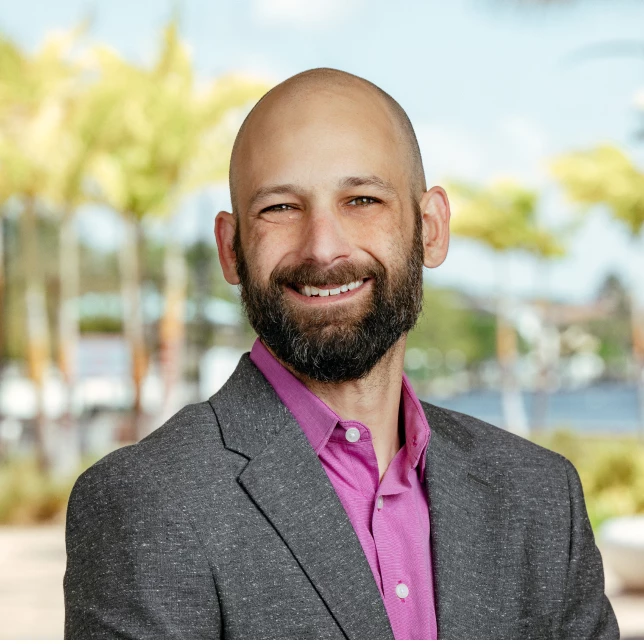
About the Author
State Bar License: 85111

Looking to End Your HOA Dispute?
Trust The Country's Most Experienced HOA Attorneys
As Featured In


Looking to End Your HOA Dispute?
Trust The Country's Most Experienced HOA Attorneys

As Featured In

Tell Us About Your HOA Dispute
When you hire LS Carlson Law, you can be assured you'll be getting an aggressive firm fully dedicated to achieving your legal objectives. Don't take our word for it, we encourage you to take a look at the numerous five-star client reviews. Call us now or fill out the form to set an appointment.